Claude CSV Row Limit: How Many Rows It Can Actually Handle
Hi, this is Vivek, building Contextflo. I share practical notes on getting answers from your data, a couple of times a month.

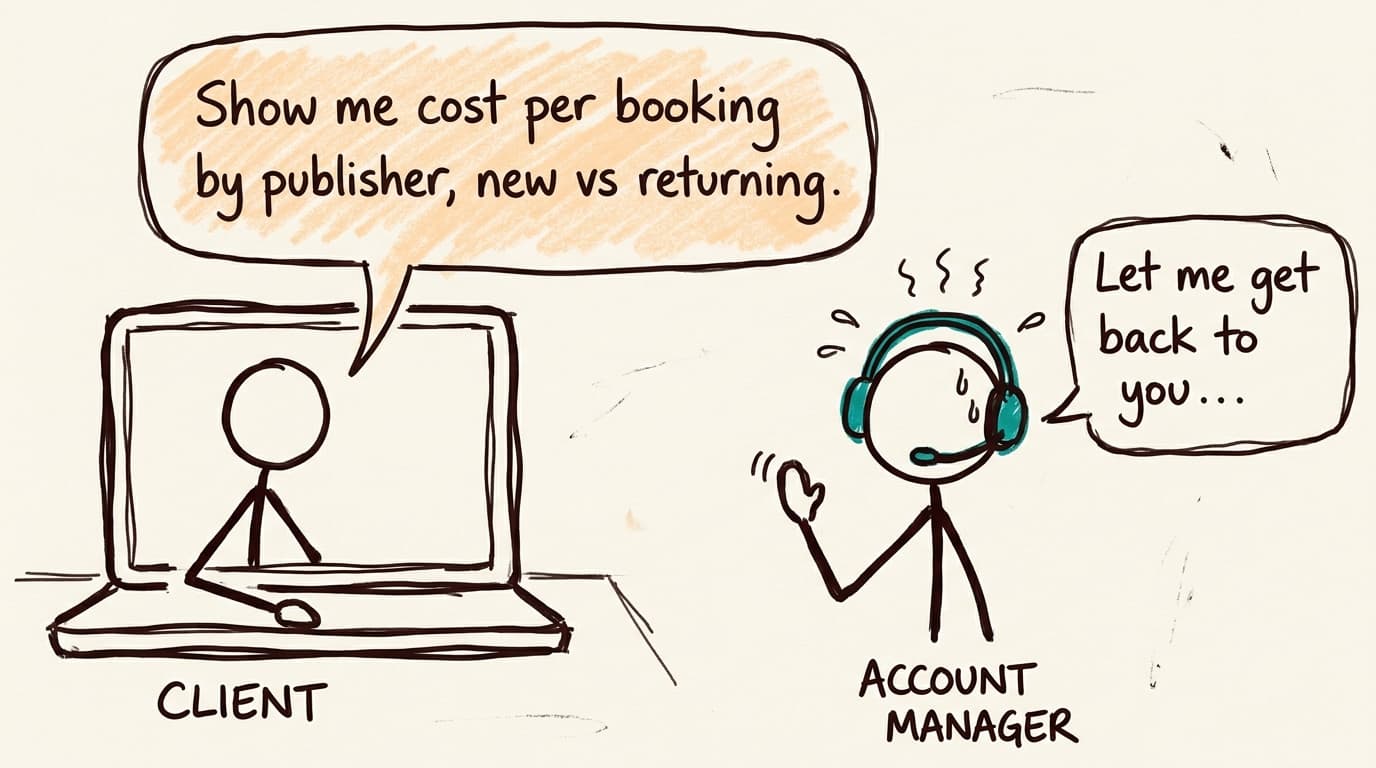
There is no fixed row limit. What caps a CSV in Claude is a per-file size limit, plus how Claude handles the file once it's in: reading it as text, or writing Python to compute over it. The second part matters more than the row count, and it hides a problem nobody talks about. A week later, you usually can't tell how a number was calculated.
The first wall is file size, not rows
Claude caps uploads per file, and the cap is different for chat uploads, Project knowledge and the developer Files API[1][2]. Anthropic has changed these figures before, so check the help article for the current numbers rather than trusting any figure quoted in a blog post, including an older version of this one.
Row count and file size are different questions because width drives size. Five columns of short numbers stay small for a very long time. Forty columns with free-text notes, URLs and timestamps get heavy fast, so a narrow file can hold many times the rows of a wide one under the same cap.
If the upload is rejected, you are over the cap. If it goes through, that tells you nothing yet about whether the answers will be right.
How Claude actually handles your CSV
This is the part that changed since the early days of "just paste the file in."
With code execution and file creation turned on (Anthropic's feature for running code in a private environment inside claude.ai), Claude can write and run Python against your CSV instead of reading it[3]. Ask for revenue by region and it loads the file, groups it and hands back the result. That is real computation over every row that loaded, not an estimate.
Without it, or when the file sits in Project knowledge, which gets text extraction[1], Claude is reading the file as text in its context window. That works well on a small file. As the file grows it crowds the context, and a total across a long column becomes something the model reasons its way toward instead of calculating.
| Claude reads the file | Claude writes and runs Python | |
|---|---|---|
| What produces the number | The model, from text in its context | Code Claude wrote for this one question |
| Where it breaks down | Long or wide files that crowd the context | Wrong assumptions in the code: blanks, duplicates, date filters, which column is "revenue" |
| What's left afterwards | The chat reply | The chat reply, plus the code if the conversation shows it |
Python fixes the arithmetic. It does not fix the last row of that table.
A week later, where did that number come from?
An illustrative example, with made-up numbers.
A growth lead uploads a 60,000-row export of subscriptions and asks Claude for Q3 churn. Claude writes some pandas, runs it and says 4.2%. The number goes into the Monday board deck.
The following week the CFO asks why finance has 3.6%. The growth lead opens a new chat, uploads the same file, asks the same question and gets 3.9%. Three numbers now, and no way to line them up. Was the first run counting trial accounts? Did it drop rows with a blank cancel date? Did it use calendar Q3 or fiscal Q3? The code that produced 4.2% was written once, run once and left in one person's chat history, if the reply showed it at all.
Nothing went wrong with Claude here. Each answer might be a correct calculation of a slightly different question. The problem is that the calculation was never stored anywhere the team can find it later, so nobody can reproduce the number or explain it.
That is the real limit on analyzing CSVs in a chat. Row counts decide whether an answer is possible. Traceability decides whether anyone can trust it a week later.
What traceable looks like
A query layer changes where the work lives. Instead of throwaway Python in a chat, Claude runs SQL against the file as a table, and every query is logged: the prompt someone typed, the SQL that ran, who ran it and when. When the CFO asks about 4.2%, you open the log, find the query from Monday and see that it counted trials. Then you rerun it without them and everyone is looking at the same calculation.
It also works for the person who wasn't in the conversation. An analyst joining next quarter can find out how last quarter's churn figure was built without messaging whoever happened to ask Claude.
Test it before you trust it
For a one-off file, a few minutes of checking beats both blind trust and blanket suspicion.
- Upload the file. If it is rejected, split it or cut columns you don't need.
- Ask for something you already know: the row count, a total from your source system, one specific record.
- Ask for the same aggregate two ways, such as "total revenue" and "sum the revenue column." If the numbers disagree, find out why.
- Ask Claude to show the code or the steps behind the number, and read how it treated blanks, duplicates and dates.
- If the number is going into a deck, save that code somewhere your team can find it.
Step 2 is the one worth making a habit. A wrong answer to a question you can't verify looks exactly like a right one.
When the chat upload is fine
Most of the time, honestly. One file, a question or two, a number you'll sanity-check anyway: drop it in the chat. It's faster than setting anything up, and I do it constantly.
It starts to hurt when files are routinely too big and you keep splitting them, when someone is making a decision on the number, or when the whole team needs to ask questions of the same file. A chat upload stays in one person's conversation (does Claude remember your CSV covers that side).
Where Contextflo fits
That is the gap we built Contextflo for. You upload a CSV, or import tabs from a Google Sheet, and each one becomes a queryable table. Claude or ChatGPT runs SQL against it (DuckDB under the hood) instead of reading the file. Every query lands in the audit log per person, with the prompt, the SQL and the model's reasoning, so any number in a deck can be traced back to exactly how it was computed.
A few limits worth knowing before you try it:
- CSV only for uploads. Excel files need to be saved as CSV first.
- Uploads are currently capped at 100MB per file.
- Uploaded files can be joined with each other, but not with your warehouse tables in the same query.
- Google Sheets tabs re-import daily when they change, so a sheet edited an hour ago may not be reflected yet.
If you want to see what the audit trail looks like on your own files, book 20 minutes.
FAQ
What's the maximum file size Claude accepts? There is a per-file size cap, and it differs between chat uploads, Projects and the developer Files API. Anthropic changes these limits, so check its Upload files to Claude help article for the current figures instead of trusting a number from a blog post.
How many rows is too many for Claude? Anthropic doesn't publish a row limit. The practical ceiling depends on how Claude handles the file. If it writes and runs Python over the file, it can compute over every row that loads. If it reads the file as text, the whole thing has to fit in the context window, and wide files hit that wall much sooner than narrow ones.
Why does Claude get numbers slightly wrong on big CSVs? Usually because it answered from what it read instead of computing, or because the code it wrote made a different choice than you expected, such as how it handled blanks, duplicates or a date filter. Ask for the same number two ways and ask it to show the code it ran. If the answers differ, find out why before the number goes anywhere.
Can I trace a number Claude gave me back to how it was calculated? Only if you saved the conversation and it shows the code that ran. Chat answers and the throwaway Python behind them live in one person's chat history, not anywhere your team can search. A query layer that logs every query, with the prompt, the SQL and who ran it, lets anyone reconstruct a number later.
How do I query a CSV that's too big for Claude? Split it, trim columns you don't need, or put it behind a query engine. Contextflo stores the CSV as a table and Claude runs SQL against it through MCP, with every query logged per person.
See it on your own data.
Connect your warehouse and your team can ask Claude about it the same day, without waiting on a data team. Want a walkthrough first? Grab 20 minutes.
Book a 20-minute callSee how teams use Contextflo

Related posts
Keep reading
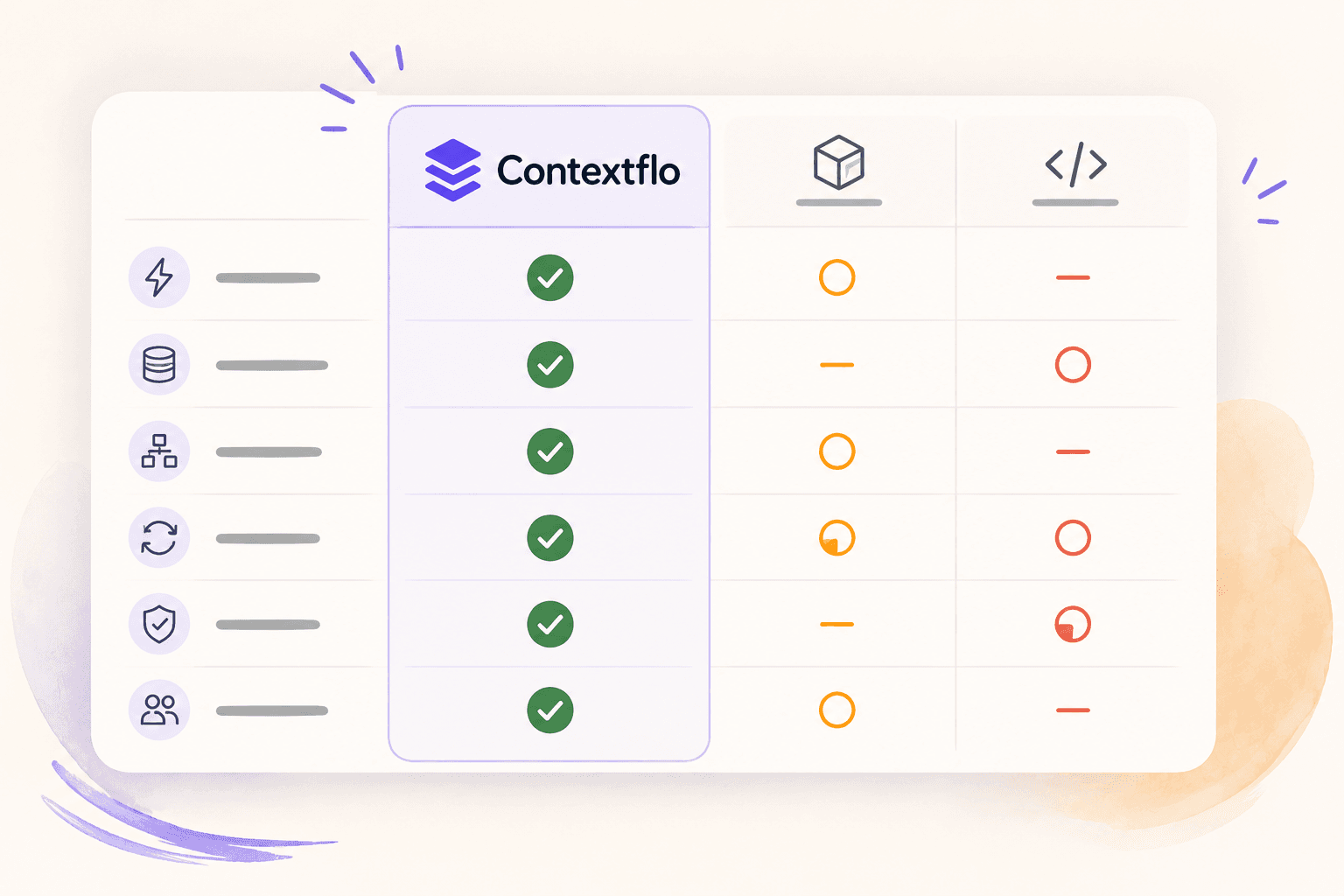
Conversational analytics: 5 ways to set it up, compared
7 min read
How to connect Claude to BigQuery? What works and what doesn't in 2026
8 min read
How to connect Claude to Postgres without giving it write access
9 min read
How to build a BI dashboard with Claude that your team can actually trust
8 min read
How to give Claude read-only access to your database (it isn't always the default)
7 min read
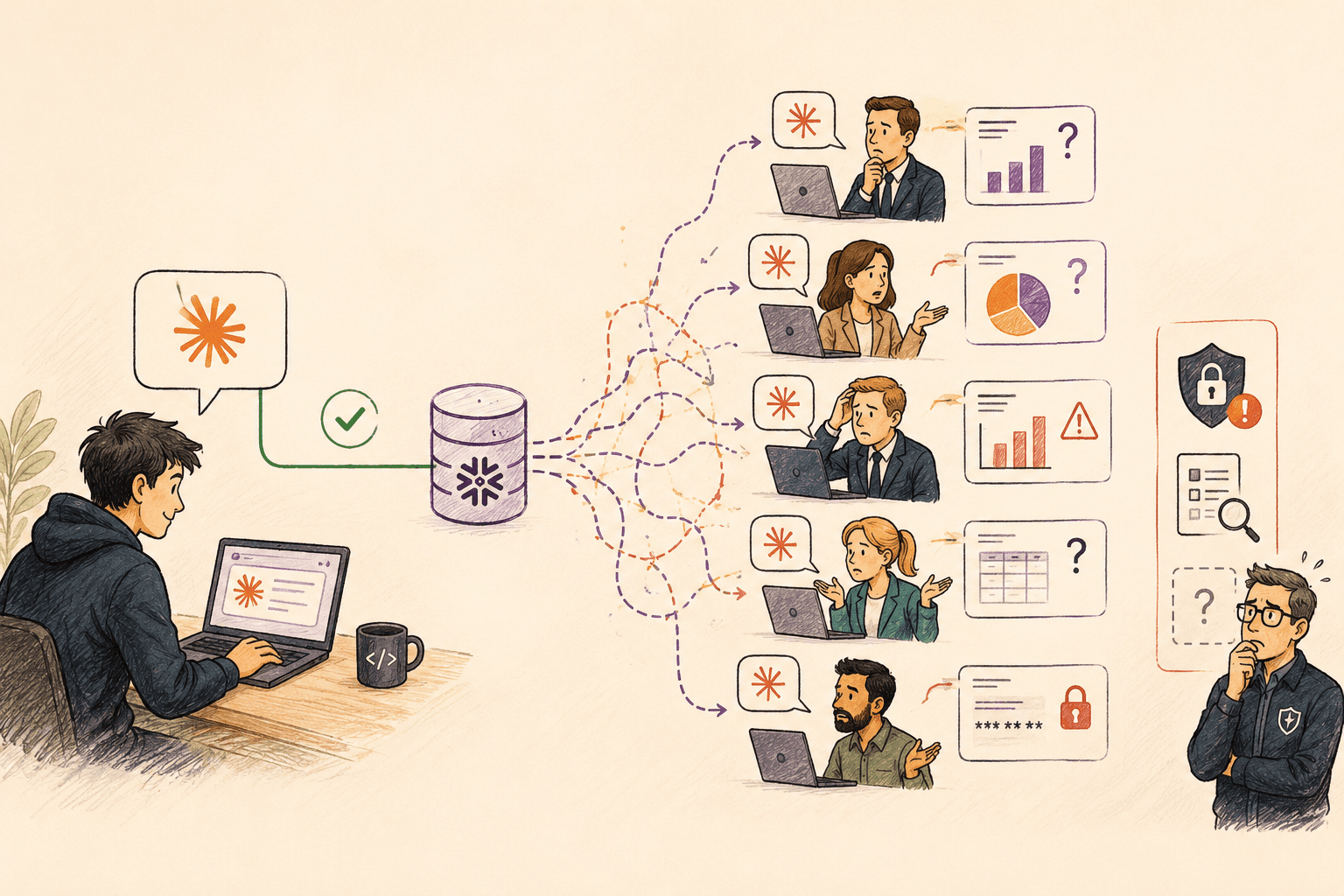
You connected your warehouse to Claude, now what?
5 min read
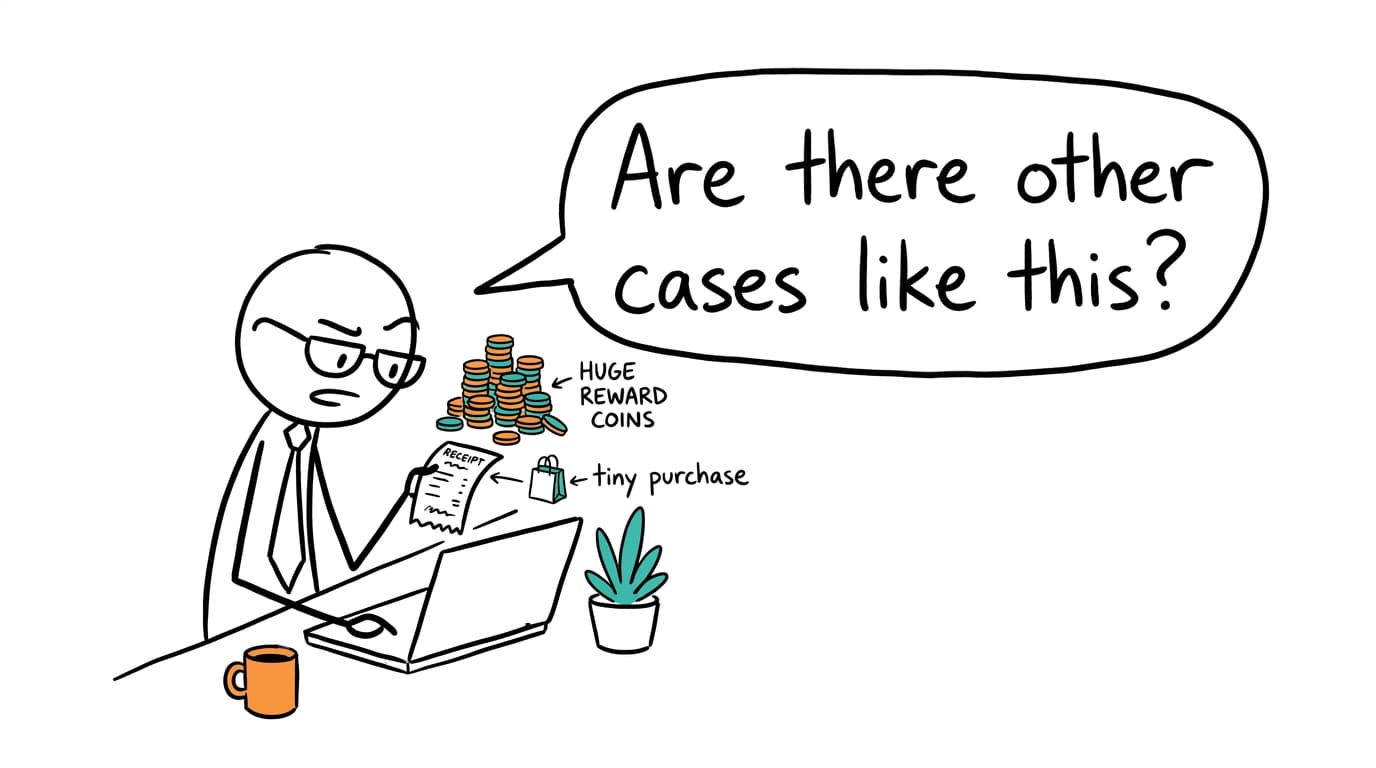
How to use Claude to identify user fraud
6 min read
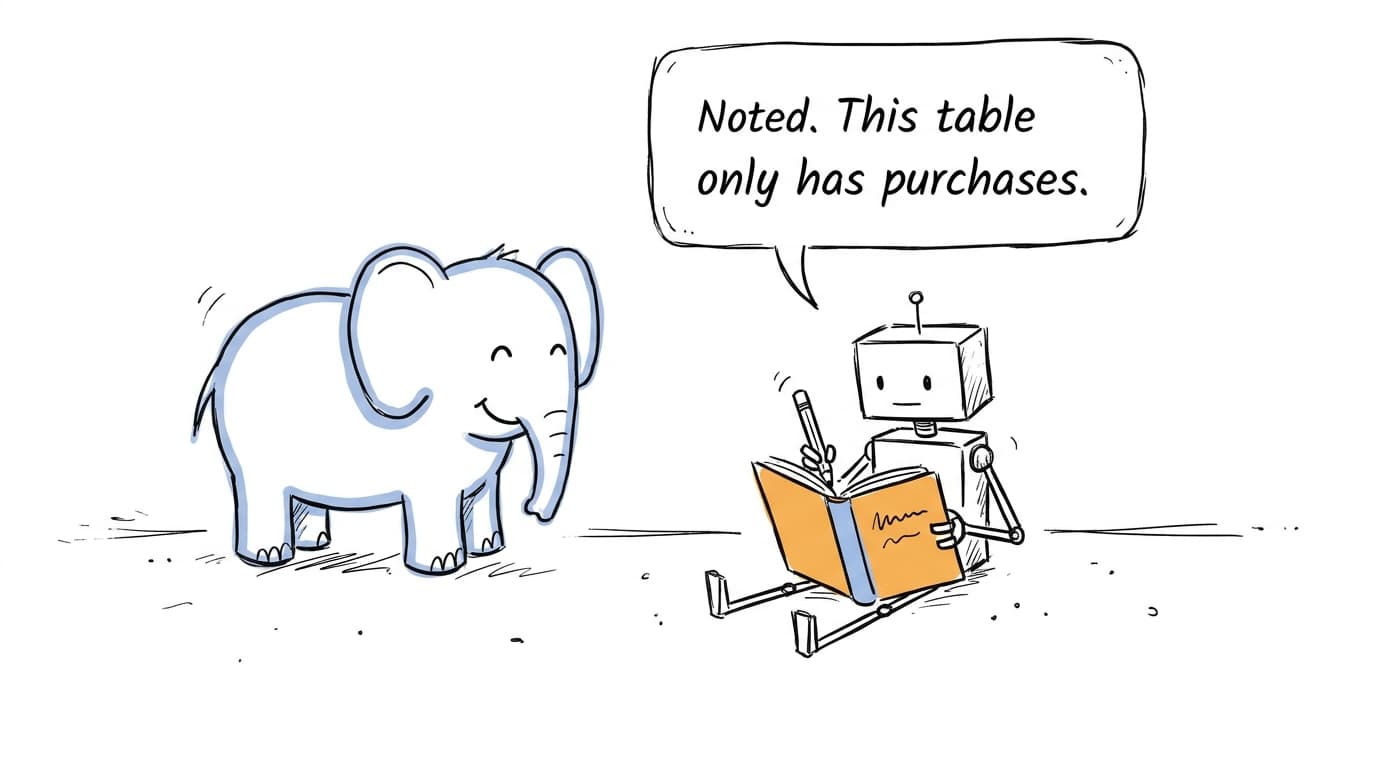
The official Postgres server for Claude is archived. Here's what to use instead.
7 min read
Why is the team missing sprint goals? How to analyze Jira data with AI
8 min read