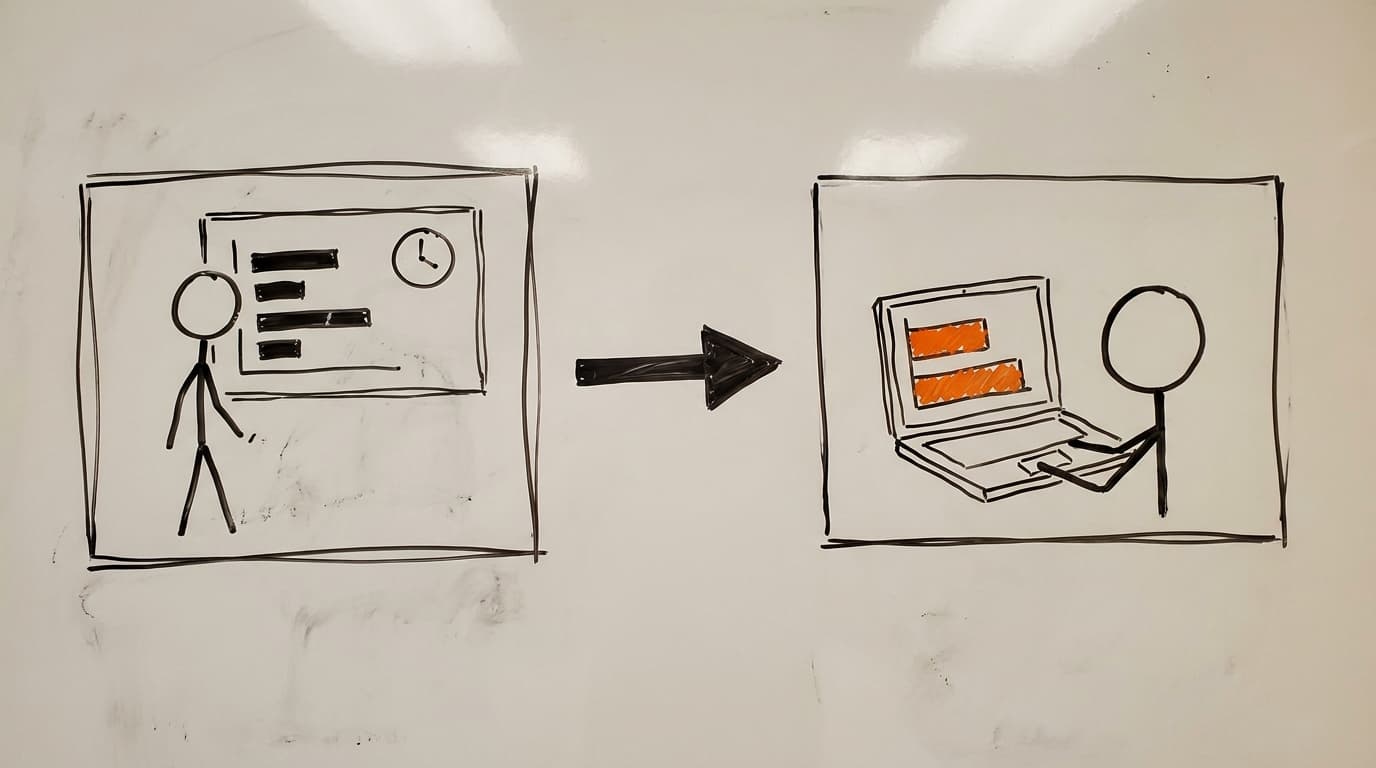
A travel company's revenue team checks booking pace against last year, by channel, every morning. Until recently, a new cut of those numbers meant one of two things: wait for someone to rebuild the Power BI report, or learn enough DAX and the data model to change it yourself.
Either way you're blocked. That's what Power BI is: a report someone builds, and everyone else reads. A trading view is where decisions come off, so a late cut is a decision made on last week's numbers.
Claude alone: fast, and wrong
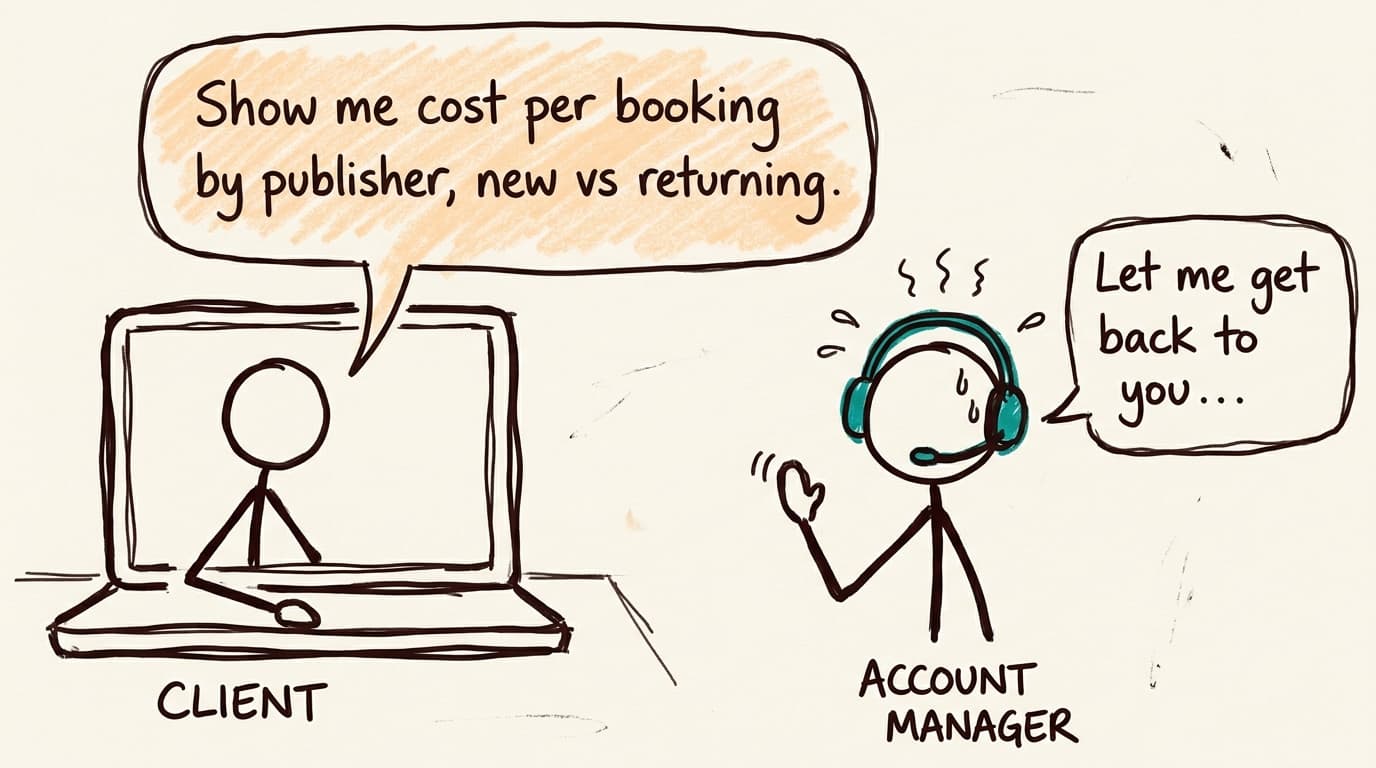
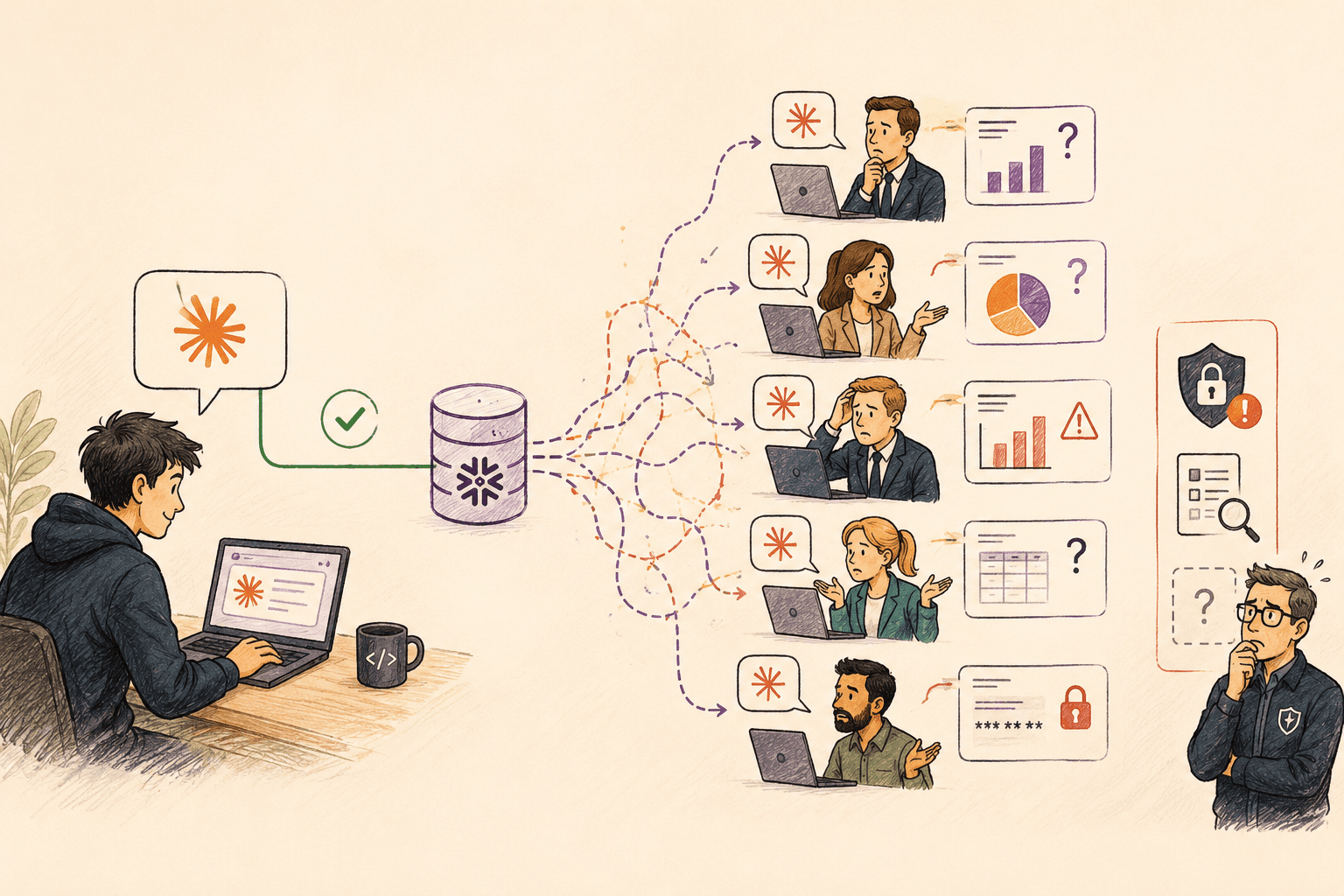
Point Claude at the warehouse and the wait disappears. Ask for bookings against last year and SQL comes back in seconds, clean and confidently wrong. It reads a date column and assumes calendar year, and this company runs a fiscal year that doesn't line up with it. It counts every row in a bookings table, but a hold isn't a booking. And it takes the channel column literally, when the way the team actually breaks out the book is a rule someone carries in their head. Right SQL, wrong business.
The team caught this the only way you can. One person who knew the old report took a DAX measure out of Power BI, asked Claude for the same thing in SQL, and put the two numbers side by side. They didn't match. That person knew on sight, because they'd checked that figure every morning.
Then the rules got written down
None of that lives in the schema. So that same person wrote it down in Contextflo: the fiscal calendar, which rows count as confirmed, what a channel means. Claude reads those rules before it writes a query. They ran the DAX comparison again, and this time it matched the report they already trusted. Once a measure matched, they kept that version rather than letting Claude re-derive it on every ask. I wouldn't skip that step on a number people look at daily.
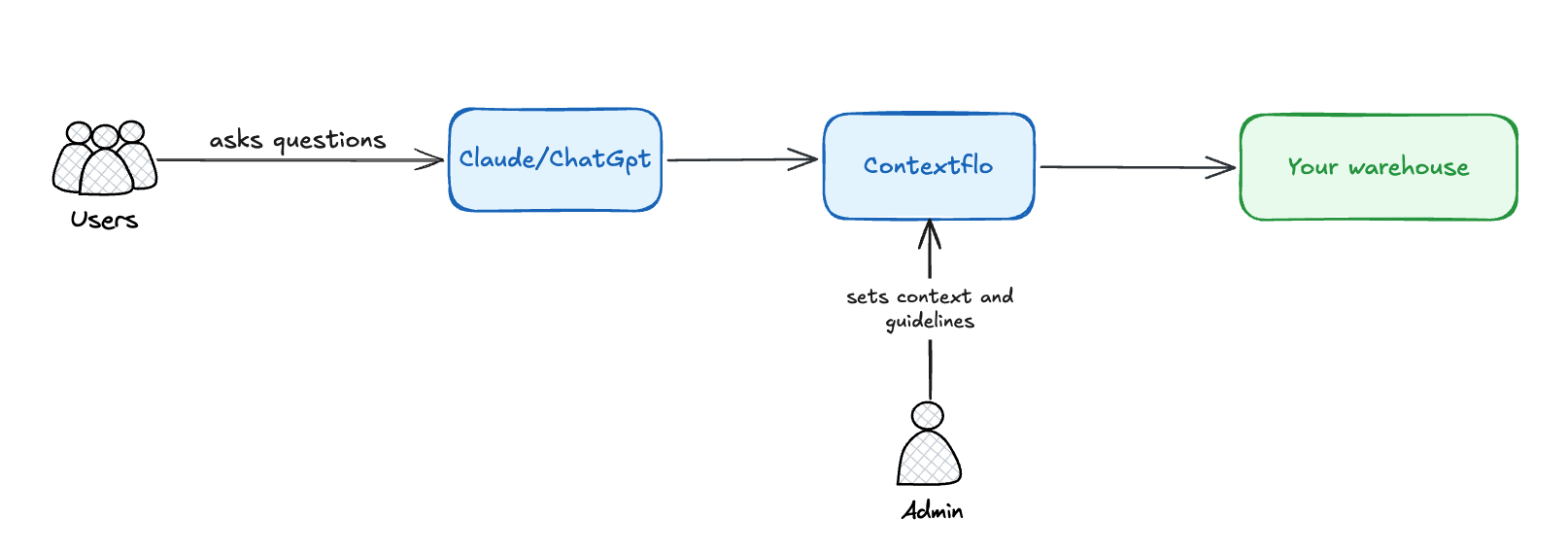
That reconciliation happened once, by one person. After that, the rest of the team just asks.
What the morning looks like now
"Today's bookings against this time last year, by channel." The answer comes back with the SQL underneath it and the rows underneath that, so when a figure looks off there's nothing to wait for. They open it and look. Paid media sits in the same conversation. So does a date range nobody ever built a report page for.
The trading view comes together in minutes instead of a rebuild, off definitions one person wrote and anyone can read back. Nobody is blocked, and nobody had to learn Power BI to get there.
Someone still owns those definitions. That work moved, from maintaining a report to maintaining the rules the report was built on.
They still have the Power BI report. They just don't start the morning there.
See how teams use Contextflo

See Contextflo in action
Ask a question in plain English against a live demo dataset. No setup, no login.
Open the playgroundKeep reading
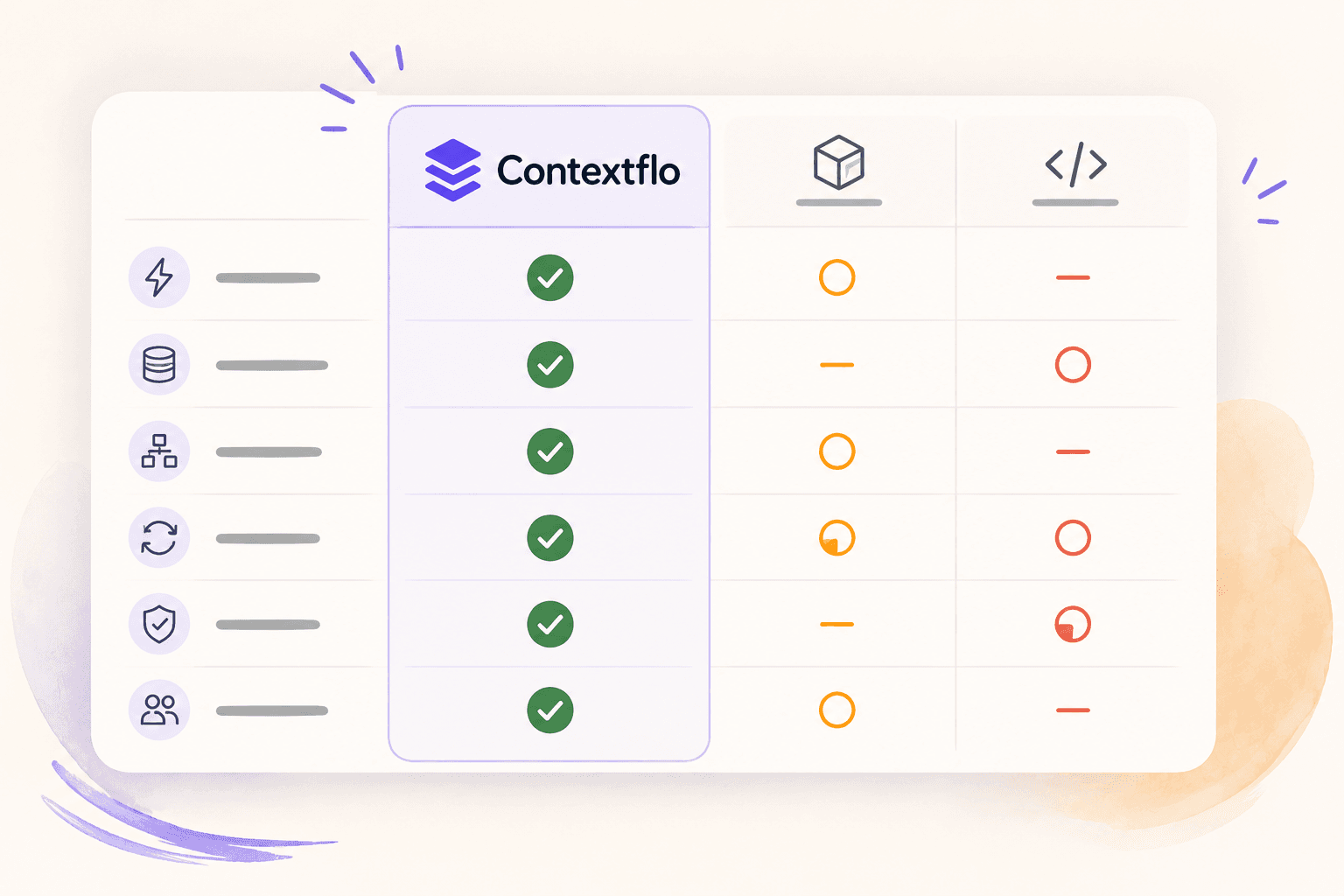
Conversational analytics: 5 ways to set it up, compared
7 min read
Connect Claude to BigQuery: the connector, the errors, a team path
8 min read
Connect Claude to Postgres: MCP Setup Guide
8 min read
How to build a BI dashboard with Claude that your team can actually trust
8 min read
Is it safe to give Claude read-only access to your database?
5 min read
You connected your warehouse to Claude, now what?
5 min read